

Many people who struggle with an eating disorder spend years convinced that food is the core problem. They track every bite, chase a lower number on the scale, try to stop bingeing, reduce purging, change their exercise routines, or force a better body image. The effort is real and often exhausting. Yet the same cycle keeps returning.
What stays hidden for so long is shame.
In my work at Sirona Therapy I have sat with clients who look capable and put together on the outside. But, on the inside they’re battling with themselves in an internal war of self-criticism and the quiet belief that they are simply not enough. Shame is one of the strongest emotional forces that keeps eating disorders alive. It shapes how a person sees themselves, how they relate to their body, and whether they feel worthy of care or recovery. Understanding it is often the turning point.
Perhaps you have felt it too. The moment after eating when a wave of self-disgust rises that feels larger than the food itself. The quiet decision to cancel plans because the idea of being seen with a plate in front of others feels too exposing. The way a simple compliment about your appearance lands as suspicion rather than kindness. These moments are not random. They often point to shame working beneath the surface.
Understanding Shame Versus Guilt in Eating Disorders
Shame and guilt are not the same emotion, and the difference matters clinically.
Guilt focuses on an action: I did something bad.
Shame attacks the self: I am bad.
Researcher and psychotherapist Brené Brown has spent decades studying this distinction. She defines shame as the intensely painful feeling or experience of believing that we are flawed and therefore unworthy of love and belonging. In her words, shame is about who we are, while guilt is about our behaviors. Guilt can motivate positive changes. Shame corrodes the very part of us that believes we are capable of change.
When shame takes root, people begin to experience themselves as fundamentally flawed, defective, or unlovable. These beliefs settle deep and often run outside conscious awareness. Clients are often unaware of the severity of their inner critic until someone else points it out. The voice feels like simple truth rather than a learned judgment.
Shame is fertile soil for eating disorders to grow in. The behaviors around food and the body become a way to manage or punish the sense of being unacceptable. If you have ever found yourself thinking, If I can just get this part of me under control, then I will finally be okay, you may already know how tightly shame and the eating disorder can intertwine.
Common Signs of Shame Linked to Eating Disorders
Shame rarely announces itself directly. It shows up in patterns that can look like preference or personality:
- Keeping eating habits secret
- Eating alone or hiding food
- Skipping family meals or social events that involve food
- Strong discomfort talking about body image
- Feeling disgusted by one’s own body
- Constant comparison with others
- Rigid perfectionism and standards that can never be met
- Harsh self-criticism
- Fear of judgment
- Difficulty receiving compliments
- Belief that help is undeserved
- Putting off treatment even while suffering continues
Adolescents and young adults often hide symptoms because they dread disappointing others or being pushed into care. The secrecy that feels protective actually deepens isolation and strengthens the disorder. Brown notes that shame derives its power from being unspeakable. It needs three things to grow: secrecy, silence, and judgment.
Take a gentle moment with the above list. Which of these, if any, feels familiar? Noticing them without judgment is already a form of beginning to loosen shame’s hold. Many people are surprised by how long they have lived with these patterns while believing they were simply being careful or staying disciplined.
Where Shame Originates and Why It Connects to Food
Shame almost never starts with food itself. It usually forms earlier through experiences that teach a person they are not acceptable as they are. These can include childhood criticism, bullying, repeated comments about weight or appearance, trauma, emotional neglect, family conflict, social rejection, or the relentless cultural messages about ideal bodies.
Over time those experiences crystallize into core beliefs such as I am not good enough, Something is wrong with me, or If people saw the real me they would leave. Food, weight, and shape then become the focus for dealing with older emotional pain. What looks like discipline or high standards on the surface often covers deep feelings of unworthiness underneath. The same shame that drives the eating disorder also feeds depression, anxiety, and strained relationships.
Chevese Turner, founder of the Binge Eating Disorder Association and co-author of Binge Eating Disorder: The Journey to Recovery and Beyond, has spoken openly about her own experience with binge eating disorder. Because she lived in a higher-weight body, her struggles were long misread as a simple weight problem rather than an eating disorder. She describes being sent to obesity programs while others with different presentations received specialized care. The result, she explains, was that she learned to do her eating disorder better. Internalized weight stigma became a recurring trauma that kept the cycle alive. For many people with binge eating disorder, the relationship with food is fraught with confusion, contradiction, and shame. The disorder itself can feel like a private hiding place even as the shame around it intensifies.
If your own history includes early messages about your body or worth, those experiences may still be echoing in the present. Recognizing the connection does not assign blame. It simply helps you see that the eating disorder is often trying, in a painful way, to solve an older problem of belonging and safety.
Myths That Keep Shame and Eating Disorders Interlocked
Myth 1: Reaching a certain weight will end the shame.
Many people hope that a particular appearance will finally bring peace. When shame is the deeper issue the target simply moves. The disorder keeps raising the bar. You may have already lived this pattern: the number that once felt like the finish line becomes the new starting point for more striving.
Myth 2: Harsh self-criticism is useful motivation.
Brown is clear on this point: You cannot shame or belittle people into changing their behaviors. Clinical observation and research both show the opposite of the myth. Shame increases avoidance, hopelessness, and the very behaviors a person is trying to stop. Sustainable change grows more readily in an atmosphere of support. Notice what happens inside when the inner critic is loud. Does it create lasting change, or does it deepen the cycle?
Myth 3: Families caused the eating disorder.
Parents often carry heavy guilt and ask what they did wrong. Eating disorders develop through a complex mix of biological, psychological, social, and environmental factors. Families are rarely the sole cause and are frequently one of the strongest resources for recovery. Part of effective care can include helping family members release their own shame so they can offer clearer support. If you are a parent reading this, know that seeking understanding is itself an act of care.
Reducing Shame Through Connection and Self-Compassion
A secure attachment to a therapist is the most important aspect of the therapeutic relationship. The first clinical reality is that shame thrives in secrecy and begins to loosen in safe connection.
Brown’s research shows that if we can share our story with someone who responds with empathy and understanding, shame cannot survive. Empathy is the antidote. When someone brings their painful experiences and private fears into a trusting therapeutic relationship, shame intensity can soften. What felt unbearable becomes more workable when it is met with steady compassion rather than judgment.
Identifying the origins of the shame helps separate old wounds from present reality. Many people also need to learn self-compassion, which can feel unnatural or even undeserved at first because self-criticism has been the main coping strategy for so long.
A practical starting question is simple: Would I speak to a close friend the way I speak to myself? Most people immediately hear the difference. Compassion is not permission to stay stuck. It is the emotional safety that makes real growth possible.
Turner emphasizes that recovery also requires addressing the cultural forces of weight stigma and body shame. For her, lasting change involved learning to treat her body as her home, allowing herself to be seen and cared for in healthy connection, and telling the truth of her inner experience. These steps move a person from isolation toward the courage and belonging that shame tries to deny.
You might begin with something small and private. The next time the critical voice rises, pause long enough to notice it. Name it as the voice of shame rather than the voice of truth. That simple act of recognition is already a form of reclaiming ground.
Treatment That Addresses Both Shame and Eating Disorder Behaviors
True recovery requires more than changing food patterns. It means working with the emotional pain that fuels those patterns. Effective treatment encompasses many layers. These typically include: exploring the roots of shame, building awareness of the inner critic, challenging shame-based beliefs, developing healthier coping skills, easing perfectionism, strengthening self-compassion, processing trauma when it is relevant, and increasing supportive connection.
At Sirona Therapy, our approach touches on all the aspects our clients are dealing with. Through specialized care that addresses both the behaviors and the deeper emotional layers, many clients begin to experience relief that extends far beyond food. As shame decreases, people often notice improvements in anxiety, mood, relationships, and overall quality of life.
Healing is not linear. There will be days when the old patterns feel louder. Using the framework of our STEDI (Silence The Eating Disorder Inside) program, we can help bring down the volume, and sustain the progress already made. It’s all part of the process of learning a new way of relating to yourself.
Moving Forward From Shame Toward Healing
Eating disorders feed on hidden shame. The longer that shame stays unspoken, the stronger the disorder can become.
If you recognize yourself in the cycle of self-criticism, body shame, secrecy, or the feeling of being fundamentally flawed, you are not alone and you are not broken. Shame has simply convinced you otherwise.
Healing begins when those beliefs are brought into the light, understood with care, and gradually rewritten through supportive therapeutic work. Recovery is not about becoming perfect. It is about discovering that you were never unworthy of care, connection, or healing in the first place.
If this speaks to your experience, reaching out can be a meaningful next step. You can learn more about our specialized support for eating disorders and related concerns on our Eating Disorder treatment page or explore additional insights in our library of Blogs.
About The Author
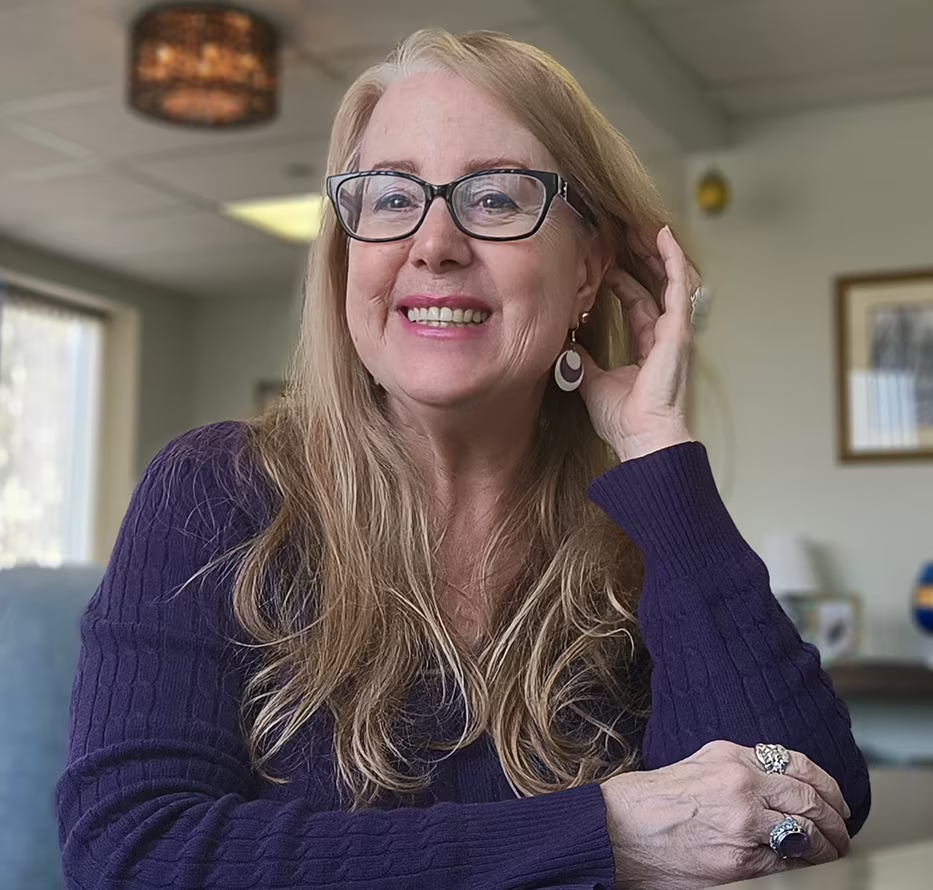
Jennifer L. Zauner, LCSWR is the owner and clinical director of Sirona Therapy. With more than 35 years of clinical experience, she specializes in eating disorders, trauma, anxiety, depression, and relationship concerns. Her work integrates psychodynamic, trauma-informed, and evidence-based approaches to support lasting change.
Continue Learning
If you’d like to explore these topics further, here are articles related to this one:
- What Is Binge Eating Disorder? Symptoms, Causes, Myths, and Treatment
- Support and Love for ED – A Deeper Understanding
- Emotional Eating vs. Binge Eating Disorder: What’s the Difference?
Helpful Resources
- Brené Brown’s official site offers her books and talks on shame and vulnerability, including Daring Greatly, The Gifts of Imperfection, and I Thought It Was Just Me (But It Isn’t). Visit brenebrown.com.
- Chevese Turner’s co-authored book Binge Eating Disorder: The Journey to Recovery and Beyond (with Amy Pershing) provides both lived experience and clinical insight into shame, weight stigma, and recovery.
Sirona Therapy is honored to have preferred provider status with these organizations:
- The National Eating Disorders Association (NEDA) offers screening tools, information, and support resources at nationaleatingdisorders.org.
- The National Alliance for Eating Disorders provides a helpline and connection to care at allianceforeatingdisorders.com or by calling 866-662-1235.
These voices and organizations exist because so many people have walked similar paths and chosen to share what they learned. You do not have to navigate this alone.